

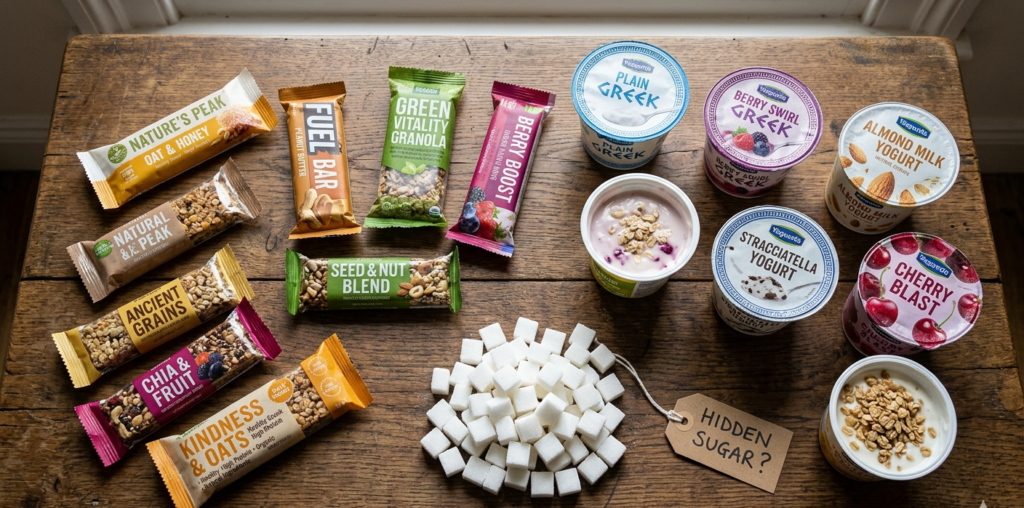
The modern food industry has become exceptionally skilled at marketing products as “healthy,” “natural,” or “low-fat,” while hiding large amounts of added sugar under various scientific-sounding names. From yogurt cups and granola bars to “vitamin” waters and salad dressings, sugar is often used to enhance flavor in products where the fat has been removed. These hidden sugars cause rapid spikes in insulin levels, leading to energy crashes, increased cravings, and long-term metabolic issues such as insulin resistance and weight gain.
When we consume these “healthy” snacks, we often eat them in larger quantities because we believe they are beneficial. However, the body processes high-fructose corn syrup or maltodextrin exactly the same way it processes table sugar. This constant influx of sweetness desensitizes our taste buds, making natural foods like fruit taste less satisfying and keeping us hooked on a cycle of processed snacks. To truly take control of our health, we must learn to look past the front-of-package marketing and scrutinize the actual ingredient list.
“Sugar is the most well-disguised toxin in the modern diet. It wears the mask of health to gain entry into our daily habits. To be truly healthy is to be aware of what lies beneath the label, choosing the purity of whole foods over the deception of processed convenience.”
Identifying these hidden sugars is the first step toward breaking the sugar addiction and restoring your body’s natural metabolic rhythm.
How to Spot Hidden Sugars on Food Labels
- Identify Alias Names: Look for terms like cane juice, barley malt, and agave nectar.
- Check Serving Sizes: Marketing often hides sugar counts by splitting a small bar into two “servings.”
- Prioritize Whole Snacks: Opt for raw nuts or fresh berries instead of packaged “fruit leathers.”
Education is your best defense against the sugar industry. By choosing whole, unprocessed snacks, you eliminate the guesswork and ensure that your body is fueled by stable energy sources. This leads to better weight management and a more consistent mood, free from the highs and lows of sugar-induced spikes.