

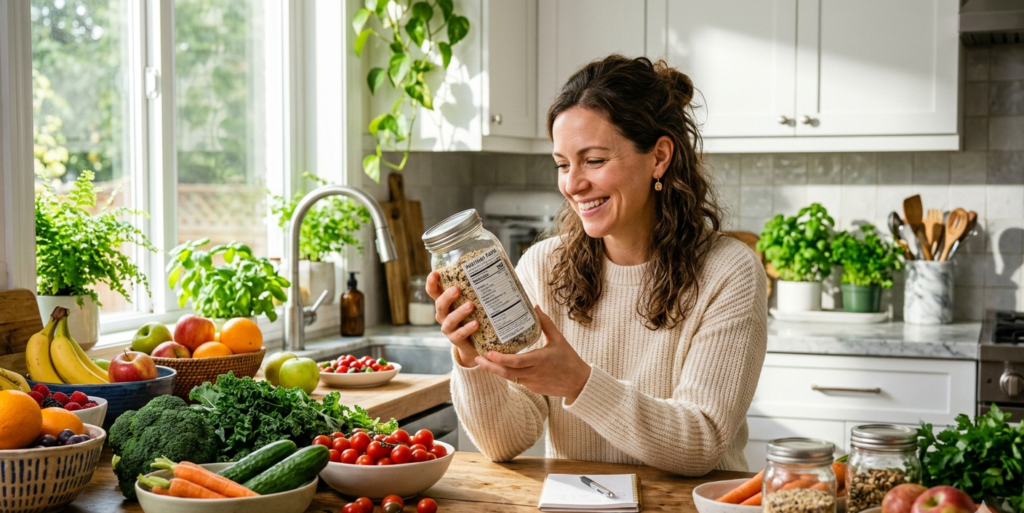
Nutrition education serves as the fundamental cornerstone for anyone looking to transform their physical and mental well-being. It is not merely about counting calories or following a temporary diet plan; rather, it is about understanding how different nutrients interact with our biological systems to provide sustained energy and long-term health. By educating ourselves on the science of food, we move away from the confusion caused by fad diets and marketing gimmicks, allowing us to make choices based on evidence and personal physiological needs.
In today’s fast-paced world, where processed foods are more accessible than whole foods, the ability to read labels and understand nutritional density is a survival skill. Education empowers individuals to take control of their health destiny, preventing chronic diseases like diabetes and hypertension before they even manifest. When we understand the “why” behind our food choices, the “how” becomes significantly easier to manage, leading to a lifestyle that is both balanced and fulfilling.
“Let food be thy medicine and medicine be thy food. The doctor of the future will no longer treat the human frame with drugs, but rather will cure and prevent disease with nutrition. Proper education is the only bridge between surviving and thriving in this modern landscape.”
Once the foundation of knowledge is laid, the transition from theory to practice becomes a natural progression. This journey requires patience and a commitment to unlearning old habits while embracing a new, more informed way of nourishing the body.
Practical Strategies for Applying Nutrition Knowledge
- Mastering the art of ingredient label reading to avoid hidden sugars and unhealthy fats.
- Implementing a diverse range of colorful vegetables to ensure a broad spectrum of micronutrients.
- Understanding the timing of meals to optimize metabolic rate and energy levels throughout the day.
Applying these strategies requires a conscious effort to integrate new information into daily routines. It starts with small, manageable changes—such as replacing processed snacks with whole fruits—which eventually snowball into a complete lifestyle overhaul that feels effortless rather than restrictive.