
Service List
Have any questions? Call us today
Proper nutrition before and after surgery plays a crucial role in recovery and overall healing. Our specialized dietary guidance helps prepare your body for surgery and supports faster, safer recovery afterward. We create personalized meal plans based on your medical condition, type of surgery, and recovery goals.
Pre & Post Surgery Diets
We focus on strengthening immunity, improving energy levels, and reducing the risk of complications. Our plans ensure the right balance of nutrients to promote tissue repair and wound healing. With continuous guidance and support, we help you achieve a smooth and comfortable recovery journey.
Personalized recovery nutrition
Nutrient-rich meal plans Focus on proteins, vitamins, and minerals essential for tissue repair.
Digestive-friendly diets Easily digestible foods to avoid discomfort and support recovery.
Your path to faster recovery
Structured healing plans We design step-by-step nutrition strategies to help your body recover efficiently after surgery.
Continuous progress tracking Our team monitors your recovery and updates your diet plan as needed to ensure optimal healing.
- Customized diet plans based on surgery type
- Ongoing support to monitor healing and progress
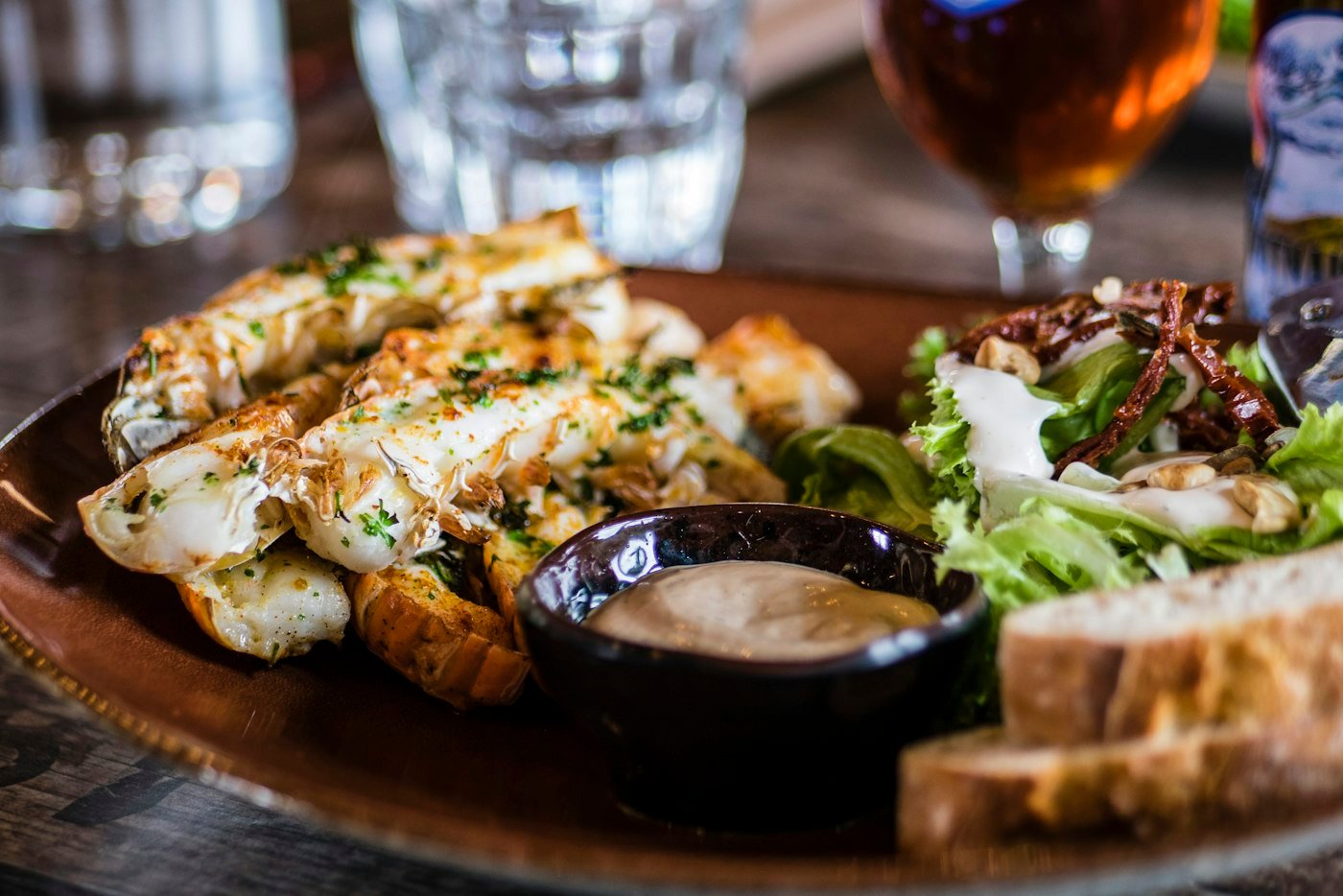

Tailored surgical nutrition for you
Pre-surgery nutrition planning
Expert guidance support
Post-surgery recovery diets
Safe and gradual diet transitions
Frequently Asked Questions
What should I eat before surgery?
Focus on nutrient-dense foods, lean proteins, and complex carbohydrates to build strength, stay hydrated, and follow any fasting instructions from your medical team.
What foods help in faster recovery after surgery?
Protein-rich foods, fruits, vegetables, and fluids help in healing and boosting immunity.
Are there foods to avoid after surgery?
Usually avoid highly processed foods, excess sugar, and alcohol. Depending on the surgery, greasy or high-fiber foods may also need temporary restriction.
Can diet reduce post-surgery complications?
Yes. Proper nutrition can lower risks such as infection, slow wound healing, and muscle loss, supporting a safer recovery.